Summary: The viral “pregnancy robot” story is fake, but it raises real questions about artificial wombs, their risks, and whether they could ever replace human pregnancy.
Key Takeaways:
- The viral pregnancy robot story was fake, but it struck a nerve
- Artificial womb research is real, though limited to premature infants
- Humans have evolved over millions of years, and we’re nowhere near replacing pregnancy with machines
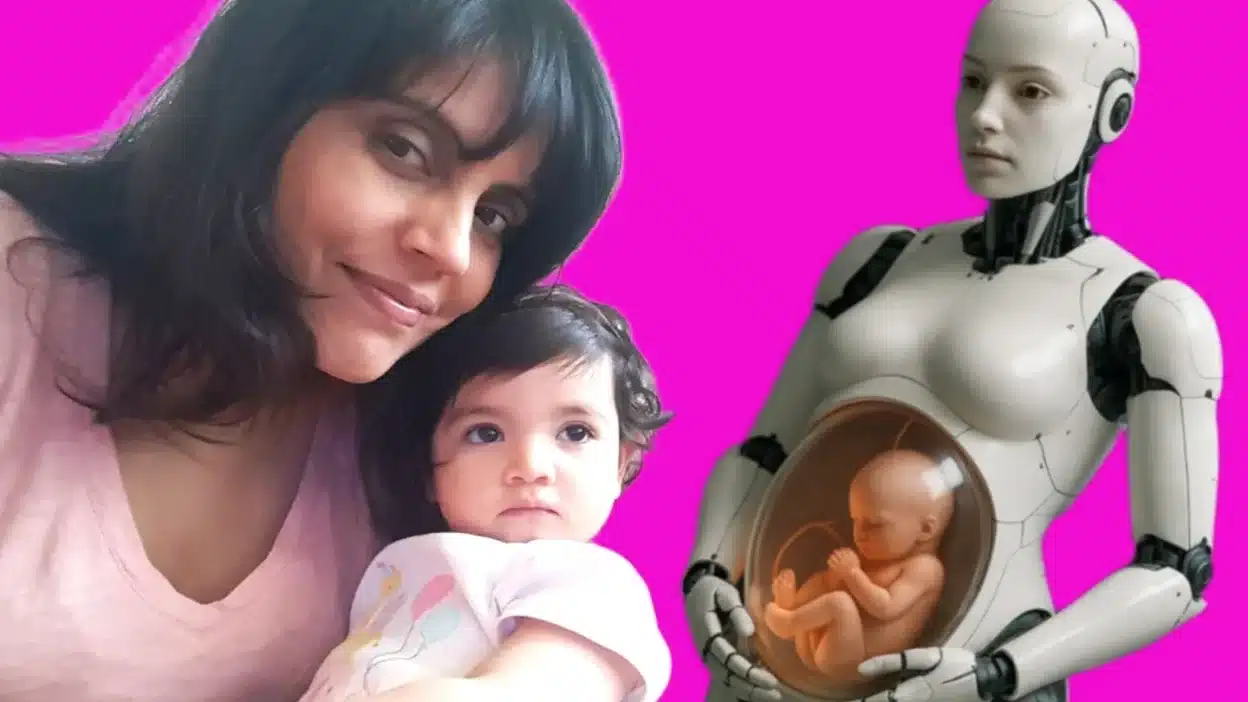
When I first saw the headlines about a so-called pregnancy robot in China, I felt two conflicting things at once: compassion for couples struggling with infertility who would give anything for a child, and concern that this was a step into risky territory with far more dangers than rewards.
It turns out, the story wasn’t true. Reporters tracked down the supposed inventor, “Zhang Qifeng,” and found he doesn’t exist. Neither does his company. The whole robot with an artificial womb prototype was fake news.
But even though the story was false, it blew up because it raised a big question about whether machines could ever change what it means to carry a child.
Are Artificial Wombs Real?
Yes, but the technology is still in its infancy. (Sorry, couldn’t resist.)
While there’s no such thing as a pregnancy robot, scientists are working on artificial womb technology.
Back in 2017, researchers at the Children’s Hospital of Philadelphia kept premature lambs alive in fluid-filled “biobags” that mimicked their mothers’ wombs.
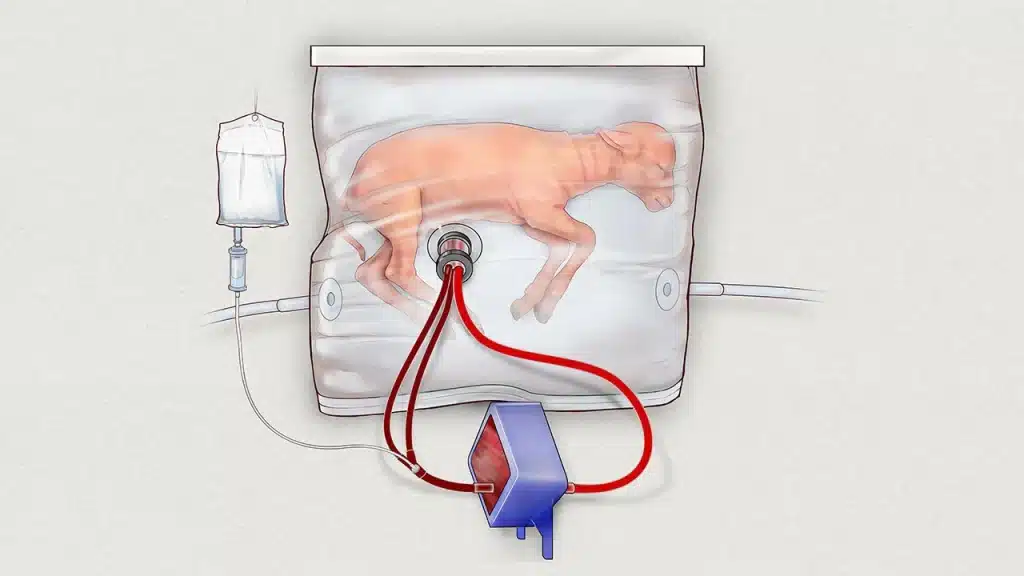
The device, called EXTEND (extra-uterine environment for newborn development), is now moving toward human trials. No, not to grow babies from scratch, but to give extremely premature infants a better chance at survival.
That’s a far cry from pregnancy robots, but it shows the science is inching forward.
Could Pregnancy Robots Be Part of Our Future?
With technology moving so fast (and humanoids becoming more human-like by the day), I wouldn’t rule out a future where artificial wombs become real.
It might give infertile couples a new path to parenthood, reduce the physical risks that women face during pregnancy (just one of the reasons I personally chose not to have children), and even improve survival rates for premature babies.
For some, it could mean the chance to have a child without marriage or surrogacy, which is especially relevant in countries like China where surrogacy is illegal.
I probably won’t see this reality in my lifetime, but my younger nieces might.
What Are the Risks of Pregnancy Robots to Children?
Growing in the womb is more than being fed nutrients or kept at the right temperature. Babies hear their mother’s voice, feel her heartbeat, and even react to stress levels. All of those things shape who that baby is becoming.

A pregnancy robot might someday keep a baby alive and growing, but I don’t believe it could ever truly replace those invisible things that connect one human to another.
And even if it did, what happens if a child develops without all those connecting forces between mother and child? Would they be missing something we don’t even know how to measure yet?
(Yes, I think so.)
We’re Not There Yet
The pregnancy robot was fake, but the debate it sparked is real. It definitely sparked my own curiosity about what might be possible one day.
Humans have evolved over millions of years. This artificial womb stuff has only been out for what, not even 10 years?
Clearly, we have a long way to go.
But that doesn’t mean it’ll never be part of our future. I actually can imagine a world where my nieces see this kind of technology saving premature infants or helping couples who can’t have children naturally.
But that world is still far off.
FAQ
Will we ever have artificial wombs?
Maybe. Researchers are making progress, but full-term artificial wombs for humans don’t exist yet. Experiments have worked with animals, but it’s still far from being safe or approved for people.
Can a robot replace a mother’s womb?
No. A viral “pregnancy robot” story was fake. While machines might help sustain premature infants, they can’t replicate complex elements—like hormones, heartbeat, and voice—of human pregnancy.
What are the risks of artificial wombs?
Possible risks include unknown effects on child development, the loss of natural mother–child bonding, and ethical issues around turning reproduction into a commercial product.
Is the pregnancy robot in China real?
No. The viral story about a “pregnancy robot” and its inventor was fake. But it sparked real debate about artificial wombs and where the science is headed.