

If you’re starting to pay attention to robots but aren’t ready to welcome one into your home, you’re not alone.
You might feel drawn to what robots could offer while still feeling uneasy about how they fit into your life. That mix of interest and hesitation is what we call Robot Hesitant.
Maybe you’re concerned about privacy. Maybe the idea of a robot watching, listening, or moving through your space gives you pause. Or maybe you’re simply not convinced these machines are helpful enough to outweigh the weird factor.
Robot Hesitant refers to people who are cautious about adopting robots in everyday settings.
This page is for the Robot Hesitant — a space for careful consideration, cautious curiosity, and totally valid skepticism about AI-powered machines and smart home robots.
Robot Hesitant is one point on the broader Robot Readiness Spectrum, which explores the full range of ways people feel about robots.
Robot Hesitancy Explained
Being Robot Hesitant means you’re open to the idea of robots but not ready to jump in. Concerns about privacy, safety, usefulness, and the pace of technological change keep you cautious.
This stage is about exploring doubts, weighing benefits against risks, and figuring out whether a robot could ever truly make your life better.
For some, hesitancy comes from a lack of transparency about how robots use and store data. For others, it’s emotional: a discomfort with machines moving, speaking, or learning in human-like ways. Whatever the reason, robot hesitancy isn’t about full-on rejection. It’s more about taking time for reflection.
Why Do People Feel Robot Hesitant?
Based on our own Robot Readiness research, this chart highlights the latest topics Robot Hesitant people talk about most when discussing robots.
There are many valid reasons people feel hesitant about robots, and most have little to do with fear of technology. Often, hesitation reflects deeper questions about trust, control, and purpose in a world where automation is rapidly expanding.
Some of the most common concerns for Robot Hesitant people include:
- Job security: Automation can displace human workers, and robots now perform many tasks faster and more precisely. The worry is about job loss, for sure. But it’s also about losing a sense of purpose and economic stability.
- The uncanny valley: As robots become more human-like, they can evoke discomfort or unease. This is called the uncanny valley, which describes the feeling we have when something looks real and familiar yet is still strange.
- Trust and control: Many people don’t trust robots to make moral or empathetic decisions. Machines don’t experience emotions, so it can be unsettling to imagine them weighing human outcomes using pure logic or cost-benefit analysis.
- Existential threat: The idea that advanced AI or humanoid robots could surpass human intelligence triggers broader fears about losing control of our own future.
- Anxiety and phobias: For some, robot hesitancy overlaps with clinical robophobia — an anxiety disorder that causes panic, sweating, or avoidance when thinking about or encountering humanoid machines.
Addressing Robot Hesitancy in a Healthy Way
Robot hesitancy means acknowledging that it takes time to adjust to big changes. Here are a few ways people approach these feelings constructively:
- Seek information: Learning how robots are designed, programmed, and limited can replace vague fears with understanding.
- Focus on flexibility: Instead of worrying about jobs disappearing, explore how automation might create new kinds of roles and skills. Adaptability is the key to thriving in an AI-driven world.
- Acknowledge real anxiety: If thoughts about robots cause stress or panic, it can help to talk with a mental health professional. Fear of technology can be managed with the same tools used for any other form of anxiety. Check out Health Guide’s tips for dealing with anxiety.
Why Robot Hesitation Is a Sign of Awareness, Not Fear
People who identify as Robot Hesitant are thoughtful consumers. They’re the ones reading user reviews, waiting for better safety standards, or wondering if the benefits of having a robot at home truly outweigh the risks.
This middle-ground perspective matters because it pushes the conversation forward, demanding accountability, transparency, and trust from robot makers. In a sense, robot hesitancy keeps the industry honest.
Understanding the Robot Hesitant Perspective
At Robots Good or Bad, we approach robot hesitancy with honesty and patience. Through articles, polls, surveys, quizzes, and real-world experiences, we look at why people keep their guard up and what it might take to lower it … without trying to sway anyone’s decision.
Being Robot Hesitant means you’re thinking critically before adopting a technology that could reshape daily life.
FAQ
Why are people hesitant to get a home robot?
Many people feel uneasy about robots due to concerns over privacy, surveillance, and how quickly the technology is evolving. There’s also natural discomfort with machines entering roles like caregiving or companionship.
Can you trust a robot in your home?
It depends on the robot, its programming, and the company behind it. Trust often comes down to transparency — in other words, knowing what data is collected, how it’s stored, and whether it truly acts in your best interest.
What are the biggest risks with having a home robot?
Privacy is a top concern, especially with built-in cameras and microphones. Other risks include technical failures, data breaches, and uncertainty over who has access to your information.
Is it normal to feel uneasy about robots even if you like tech?
Yes. Even tech enthusiasts sometimes hesitate when it comes to robots. Once technology starts to move, talk, or make decisions on its own, it enters a more personal and emotional space that deserves careful consideration. If you find yourself more intrigued than uneasy, you might be Robot Curious.
In Summary: Where the Robot Hesitant Conversation Goes Next
Being Robot Hesitant means taking a thoughtful pause before embracing new technology. That pause is crucial because it’s how we weigh trust, privacy, and emotional comfort before letting robots become part of everyday life. At Robots Good or Bad, we see robot hesitancy not as resistance but as reflection. Being Robot Hesitant is a reminder that curiosity and caution can coexist as we figure out what kind of future we actually want with robots.
Robot Hesitant Articles
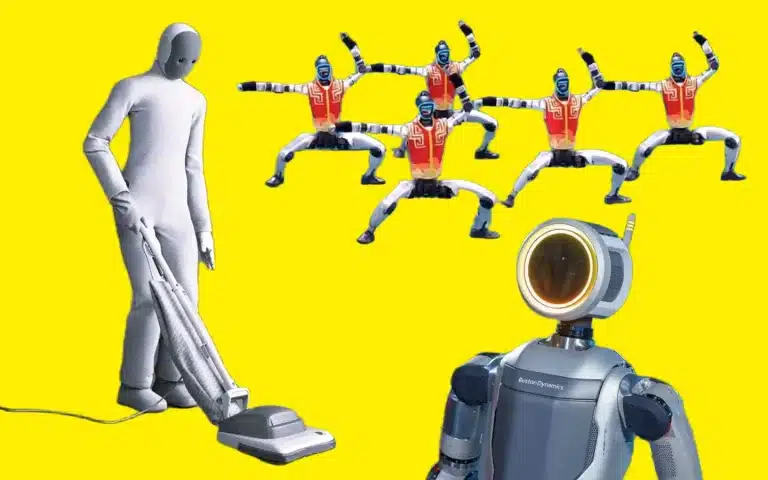
Why People Are Starting to Question Humanoid Robot Demos

Can the Three Laws of Robotics Be Broken? Why Asimov’s Rules Fail in the Age of AI

Why Do Robots Feel Creepy? The Science of That “Off” Feeling

Do AI Robots Have Feelings? Why Expression Can Seem Like Emotion

Will Robots Replace Humans? The Real Answer Is Yes and No
