Most of us didn’t expect to be thinking this much about robots, but here we are. These AI-powered machines are edging their way into our daily lives, and it’s catching some of us off guard.
Robot readiness usually refers to whether robots are ready for real-world use.
But the way we see it, Robot Readiness isn’t just about whether robots are ready for the world — it’s about asking whether people are ready for robots.
The answer to that question isn’t black and white.
It’s emotional, nuanced, and worth exploring.
What We Mean by Robot Readiness
For decades, robots mostly lived behind factory doors or inside research labs. Most people didn’t have to think about them at all.
That’s no longer the case.
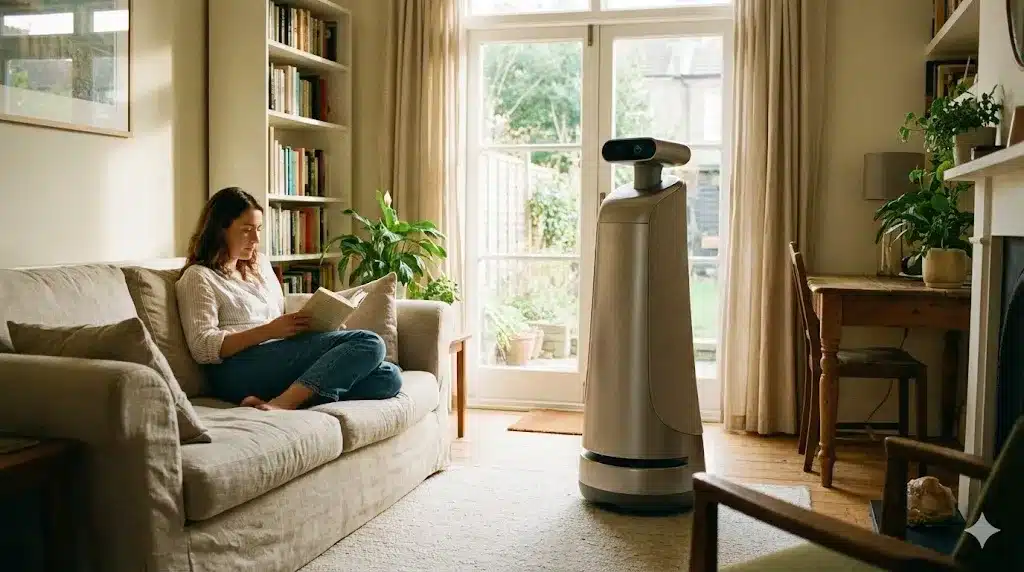
Today, robots are showing up on sidewalks and everywhere else from warehouses and factories to restaurants and supermarkets. They’re being promoted as household helpers and they’re becoming increasingly human-like in how they look, move, and interact.
Suddenly, the focus isn’t just on what robots can do, but on how it feels to live alongside them.
When we talk about Robot Readiness on this site, we’re we’re talking about people.
Robot Readiness includes things like:
- How much trust you place in a robot
- What you expect it to do (and what you don’t)
- How comfortable it feels having one around
- Emotional reactions it brings up like curiosity, excitement, unease, and resistance
- Practical questions about cost, usefulness, privacy, and control
Simply put, Robot Readiness is about how robots fit (or don’t fit) into real lives.
That fit can change over time, and it doesn’t look the same for everyone.
Robot Readiness Isn’t All or Nothing
One of the biggest misconceptions about robots is that you’re either “for them” or “against them.”
In reality, Robot Readiness is fluid.
You might feel:
- Enthusiastic about robots at work
- Curious but cautious about robots at home
- Uneasy about robots caring for children or aging parents
- Excited one day, overwhelmed the next
That kind of back-and-forth is completely normal. Robot Readiness shifts with context, experience, and timing.
The Robot Readiness Spectrum
After countless conversations with friends, family, colleagues, and even strangers, something became clear. People approach robots from a few distinct mindsets.
That’s why we created the Robot Readiness Spectrum as a way to map how people feel about robots.
The Six Readiness Sentiments:
- Robot Enthusiast — You’re excited about robots and eager to bring them into everyday life
- Robot Practical — You’re open to robots if they clearly save time, money, or effort
- Robot Curious — You’re intrigued, but still figuring out what role robots might play
- Robot Hesitant — You have real concerns and need convincing before taking the leap
- Robot Phobic — Robots make you uneasy or anxious, even when others seem excited
- Robot Hater — You actively resist robots and question whether they belong in society at all
These aren’t meant to be personality types or labels. Instead, they reflect how people feel about robots right now.
You can use this spectrum as a tool to help you understand your own comfort level and explore what might move you forward (or not).
Based on our ongoing research talking and listening to thousands of people, the chart below shows how different robot mindsets show up across the Robot Readiness Spectrum.
Wherever you fall on that spectrum, you’ll find stories, insights, and useful content on this site that speaks to your mindset.
How to Use This Framework
Think of the Robot Readiness Spectrum as a snapshot of how you feel right now, shaped by the robots and AI systems you’re encountering today. There’s no “correct” place to be.
You might recognize yourself immediately in one sentiment. Or you might see pieces of yourself in more than one.
That happens a lot.
This framework is a way to:
- Explore the sentiment that feels most familiar
- Reflect on what actually matters to you when it comes to robots
- Notice what might move you one way or another
- Think more clearly about the future
You might change your mind. You might not.
Research from organizations like Pew Research Center continues to show just how varied and evolving public attitudes toward AI and robots really are.
Our goal is to provide a space for honest robot conversations and reactions, including mixed ones.
What Comes Next
Robots are becoming part of everyday life whether we’re ready or not.
On Robots Good or Bad, we’re exploring what Robot Readiness looks like in our homes, workplaces, relationships, and daily routines.
Some people are eager, others are scared, and many fall somewhere in between.
However you feel, this isn’t about pushing you in one direction. It’s about making sense of what’s already here, and what’s to come.
If you’re curious, we invite you to learn more about our story and why we started this site.