

Summary: A home robot can sense, process, and act on its own, while a smart device typically responds to commands. Understanding the difference helps you decide what kind of technology you’re actually bringing into your home.
Key Takeaways:
- Knowing the difference between a home robot vs. smart device can reduce fear and confusion about bringing these tools into the home
- Home robots sense, decide, and act with some autonomy
- Smart devices respond to commands but don’t independently operate
Updated: February 18, 2026
Until recently, the idea of having a robot at home felt like pure sci-fi. The kind of thing you’d see in “The Jetsons,” not your actual living room.
But now that robot vacuums, AI assistants, and robotic pets are showing up in everyday life, a basic question matters more than ever:
What’s the difference between a home robot and a smart device?
Here’s the simplest way to think about it:
- A home robot can sense what’s happening, decide what to do, and act in the physical world (even if it’s just moving around your house).
- A smart device usually responds to commands or automations — helpful, but not truly autonomous.
As someone who’s Robot Hesitant (despite being married to a full-fledged Robot Enthusiast), this distinction helped me a lot. If you’re like me, it’s the difference between “a gadget I control” and “a machine that operates inside my home.”
Ready to sort it out? Let’s dig in.
What Makes a Home Robot a Robot?
At its core, a robot is a machine that can:
- Sense its environment
- Process information
- Take action with some degree of independence
That last part is key. It’s what separates a machine that follows instructions from one that can complete tasks without you micromanaging every step.
In a home setting, a robot usually:
- Has sensors (cameras, microphones, lidar, bump sensors, etc.)
- Uses software or AI to interpret what it’s sensing
- Can take physical action (move, navigate, clean, patrol, interact)
- Operates with some degree of autonomy
And no, “robot” doesn’t have to mean humanoid. Most home robots aren’t. They’re purpose-built machines designed to handle a specific task well.
There’s also a gray area. Some smart devices are becoming more automated and sensor-driven. But unless a machine can independently sense and physically act in the world, it’s closer to a smart device than a home robot.
Real-World Examples of Home Robots

Here are some devices that genuinely qualify as home robots:
Robot vacuums and mops
Devices like Roomba or Roborock use mapping technology, object detection, and independent navigation to clean floors without constant supervision.
Elder care robots
Companion-style robots such as ElliQ help older adults age in place by offering reminders, check-ins, and limited monitoring support.
Robotic pets
From robotic dogs like Sony’s Aibo to therapeutic robotic cats for companionship, these machines use sensors and programmed behaviors to simulate interaction and companionship. You can learn more about robot pets vs. real pets.
Each of these can sense what’s happening, decide how to respond, and take physical action without you issuing every instruction.
That’s what makes them robots.
What Makes a Smart Device Different From a Robot?
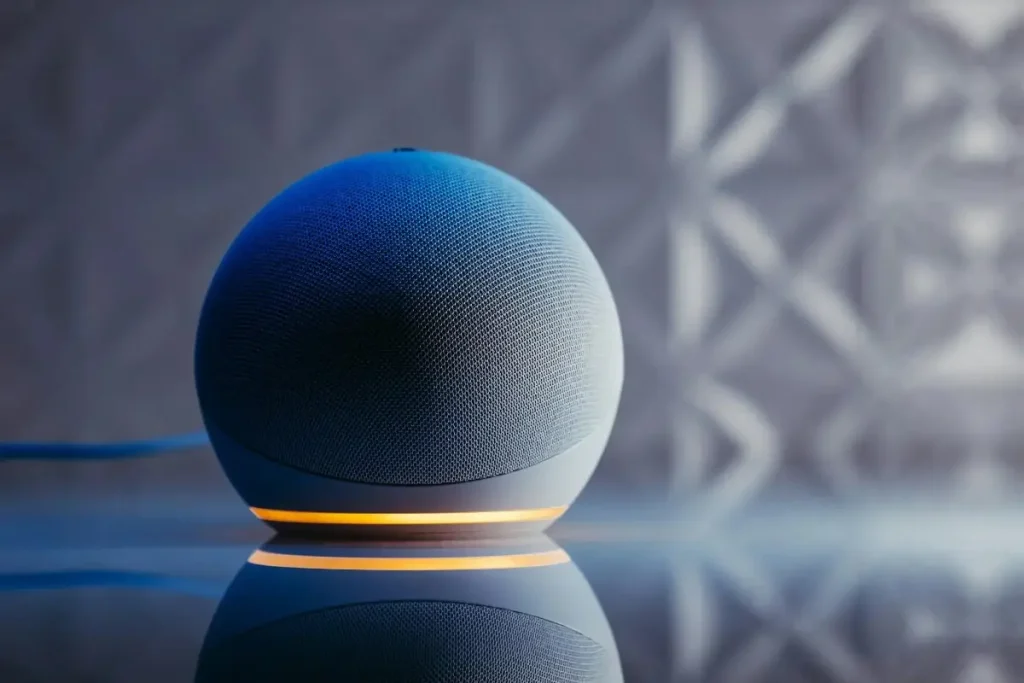
Many of us already live with smart home tech like speakers, thermostats, cameras, and appliances. But that doesn’t mean we’re living with robots.
Smart devices are reactive tools. They respond to input, but they don’t independently navigate or manipulate the physical world.
Smart devices typically:
- Require direct commands or scheduled automations
- Don’t move or physically interact with objects
- Don’t initiate complex actions without human setup
Examples include:
- Amazon Alexa or Google Nest
- Smart plugs and smart lighting
- App-controlled appliances
- Most home security cameras
They’re powerful and convenient, but they’re not autonomous systems operating inside your home.
That’s the line.
Why the Robot vs. Smart Device Difference Matters

As someone still wrapping her head around the idea of living with robots, this distinction has actually helped me.
It has helped me understand what these machines can (and can’t) do, so I know what my husband and I are inviting into our space.
For example:
- A smart speaker might answer your questions, but it won’t vacuum your floor
- A robot vacuum might bump into a few walls, but it doesn’t record your conversations (not as far as we know!)
- AI companions might chat with you or help remind you of appointments, but that doesn’t make it a substitute for human care and emotional bonds
Understanding the capabilities of each helps set expectations, and keeps the future feeling exciting, not overwhelming.
Why This Distinction Affects Robot Readiness
In our ongoing Robot Readiness research, confusion between smart devices and robots often shapes how people feel about bringing technology into their homes.
If “robot” feels like surveillance, that reaction will be very different from understanding it as a task-specific machine designed to handle one job.
Clear definitions reduce fear, and better expectations lead to better decisions.
5 Questions to Ask Before Choosing Robots or Smart Devices
Before bringing any kind of robot into your life, here are some questions to ask yourself:
- What do I actually want help with?
- Am I OK with a device having sensors or cameras in my home?
- Do I trust the company behind the tech?
- What happens if the robot breaks or needs updates?
- Is this solving a problem or just adding more stuff to manage?
These are the kinds of conversations I explore more deeply in my article about how to determine if you might be ready for a home robot.
How Robots Benefit the 40+ Crowd More Than Smart Devices

If you’re in your 40s or beyond like my husband and me, robots might still feel weird to you. But they could actually help make life a little easier, especially as we get older and may have to take care of aging parents.
Smart devices can automate tasks, but home robots have the potential to actively support how we live, age, and care for others. They can offer practical help with everyday chores, keep an eye on loved ones, and even provide a sense of presence when we’re not around.
That said, you don’t need to be in crisis mode to benefit. A robot that vacuums so you don’t have to think about it is as good a reason as any to get one.
FAQ
What is the difference between a home robot and a smart device?
A home robot can sense its environment, process information, and take physical action with some level of independence. A smart device typically responds to commands or scheduled automations but does not independently navigate or act in the physical world.
Is Alexa a robot or a smart device?
Alexa is a smart device. While it uses AI and voice recognition, it does not independently move or physically interact with the environment.
Is a robot vacuum considered a real robot?
Yes. A robot vacuum senses obstacles, maps its surroundings, and navigates independently to complete a task without constant human direction.
Can a smart device become a robot?
Some smart devices are becoming more autonomous as they add sensors and AI capabilities. But unless they can independently sense and physically act in the real world, they remain smart devices rather than full robots.
Home Robot vs. Smart Device: The Choice Is Yours
Not everyone is ready to open their home to a robot. I’m still figuring it out myself. But understanding what a home robot actually is (and isn’t) makes the decision feel less intimidating.
So here’s the clearest way to answer the question:
A home robot senses, processes, and acts.
A smart device responds.
That distinction won’t tell you what to buy. But it will help you understand what you’re bringing into your home.
And that’s where real readiness begins.


